Learning From Rwanda. Building With Rwanda.
BBR's relationship with Rwanda is grounded in reciprocity. We create opportunities for Canadians to learn from Rwanda's experiences while building partnerships with Rwandan organizations and communities working to strengthen their own futures.
The bridge moves in both directions.
Learning From Rwanda
What Rwanda's experience has to teach — the themes our journeys, partnerships and stories return to.
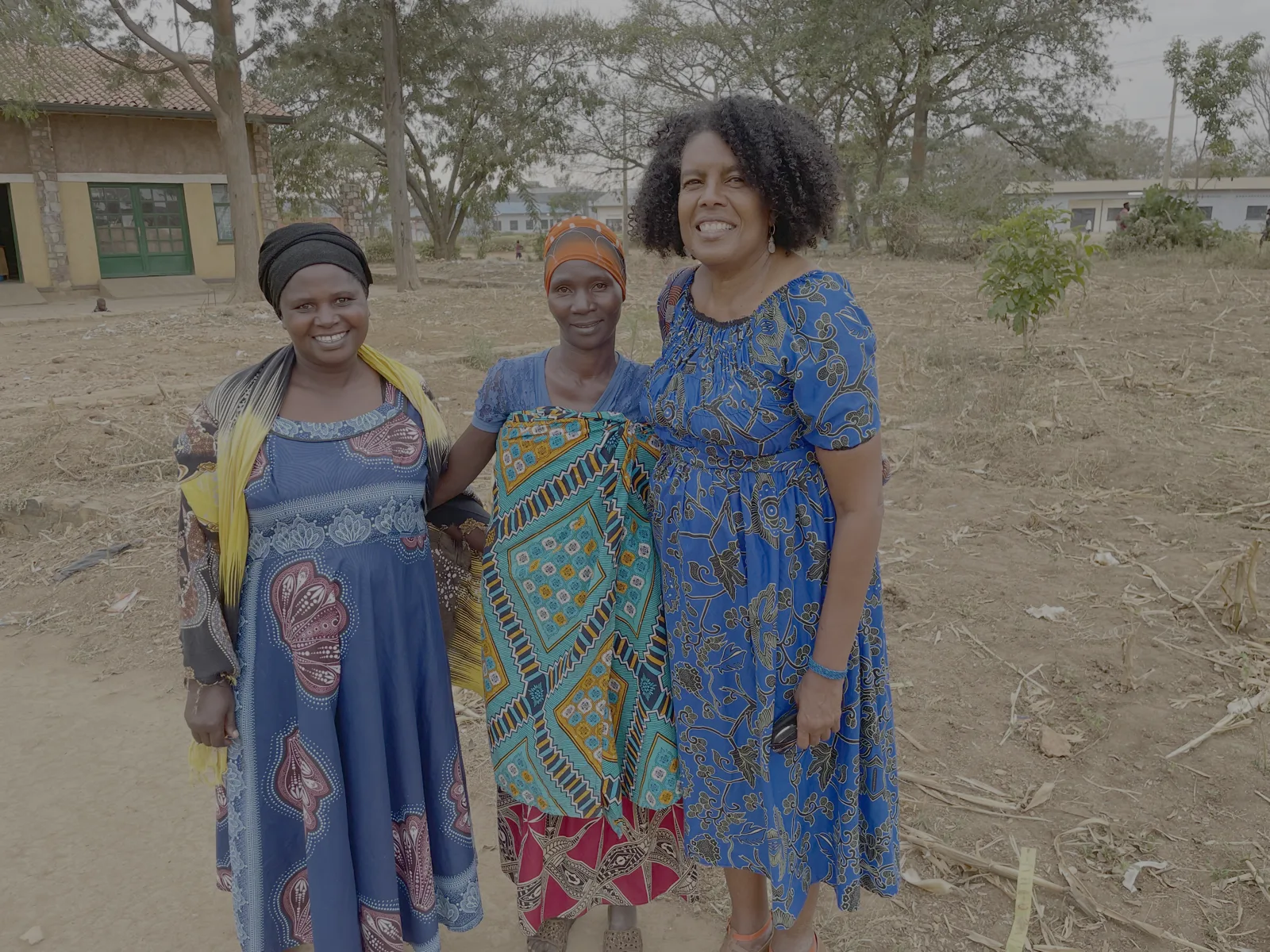
Building Partnerships in Rwanda
Who we build with — partnerships led from Rwanda, supported from Canada.
- COVAGAThe Gashora weavers cooperative — our longest partnership, and the reason BBR exists.
- YouthYoung Rwandans building livelihoods, skills and leadership in their own communities.
- Community organizationsGira Ubumuntu, QuinoaHub, the Gashora Sector and others working on healing, nutrition and local development.
- Universities and educatorsScholars and teachers on both sides of the bridge — research, symposiums and the Learning Exchange.
- EmergingFuture locally led partnershipsNew partnerships grow from Rwandan priorities first, with BBR alongside — not the other way round.
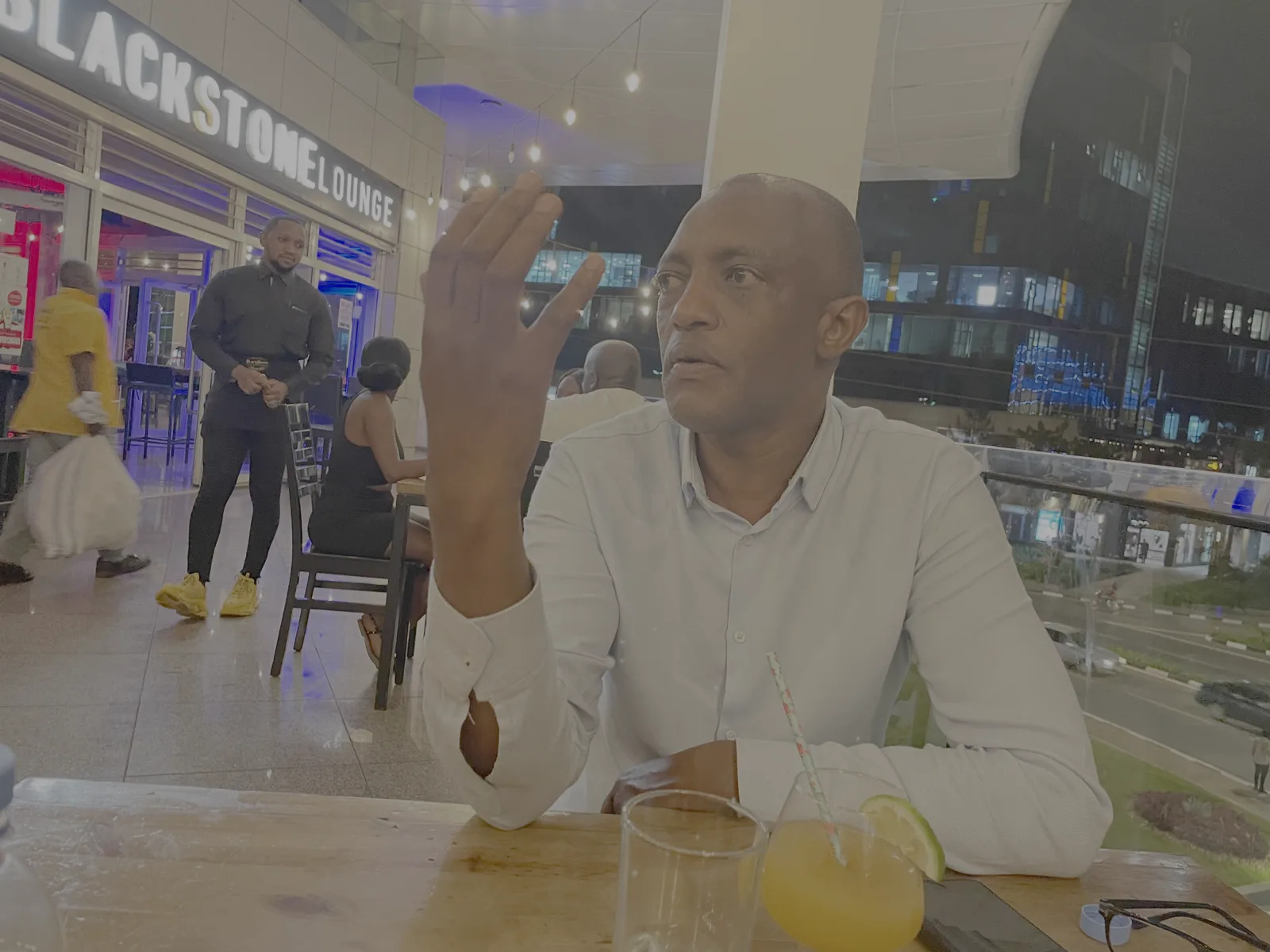
Remembering
A Reflection Journey holds space for memory. At the Murambi Genocide Memorial, participants stand with the history of the 1994 Genocide against the Tutsi — listening, learning, and bearing witness. Remembrance is part of the relationship between Rwanda and Canada, and part of every journey we take.
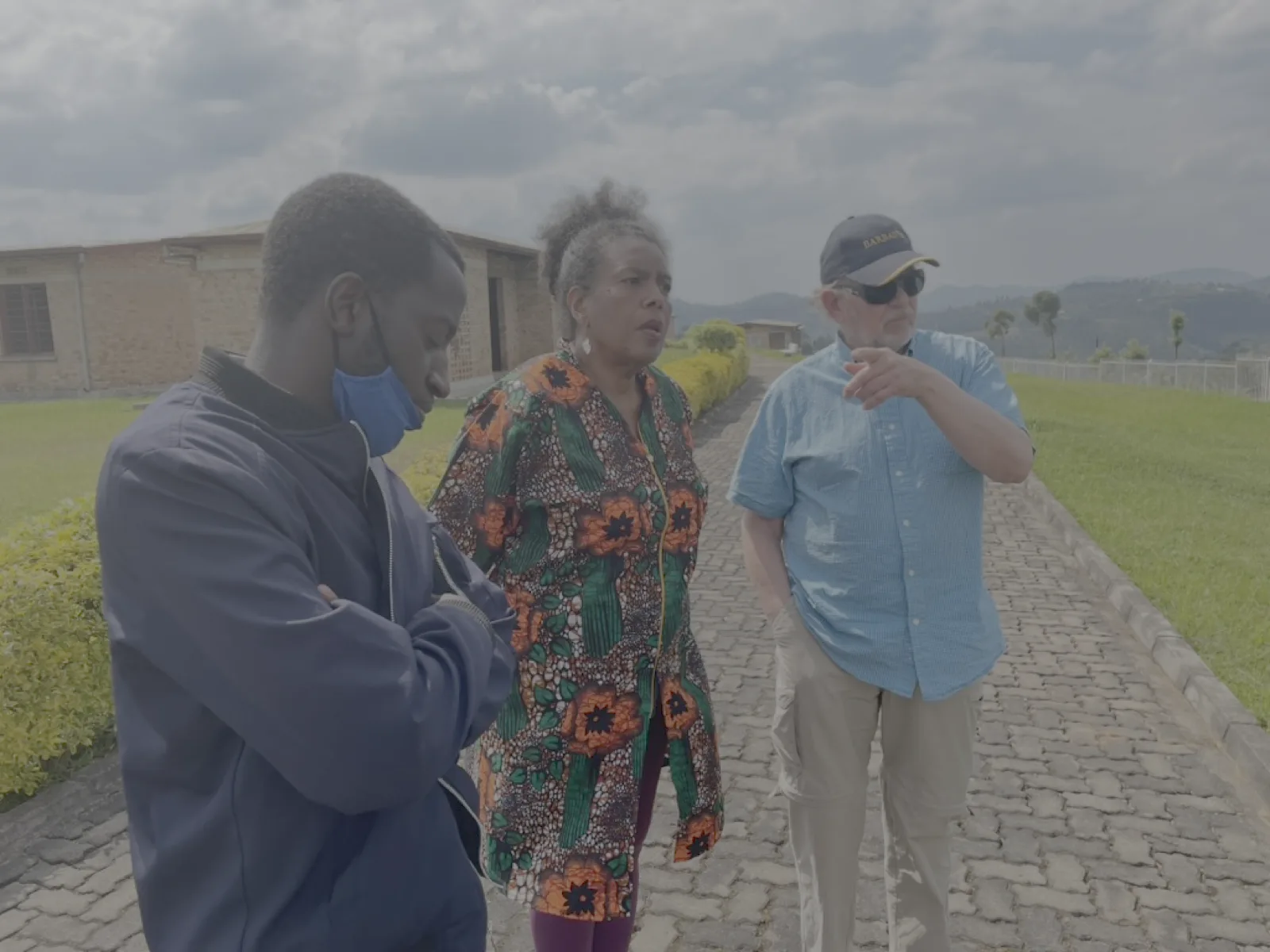
COVAGA Weavers Cooperative
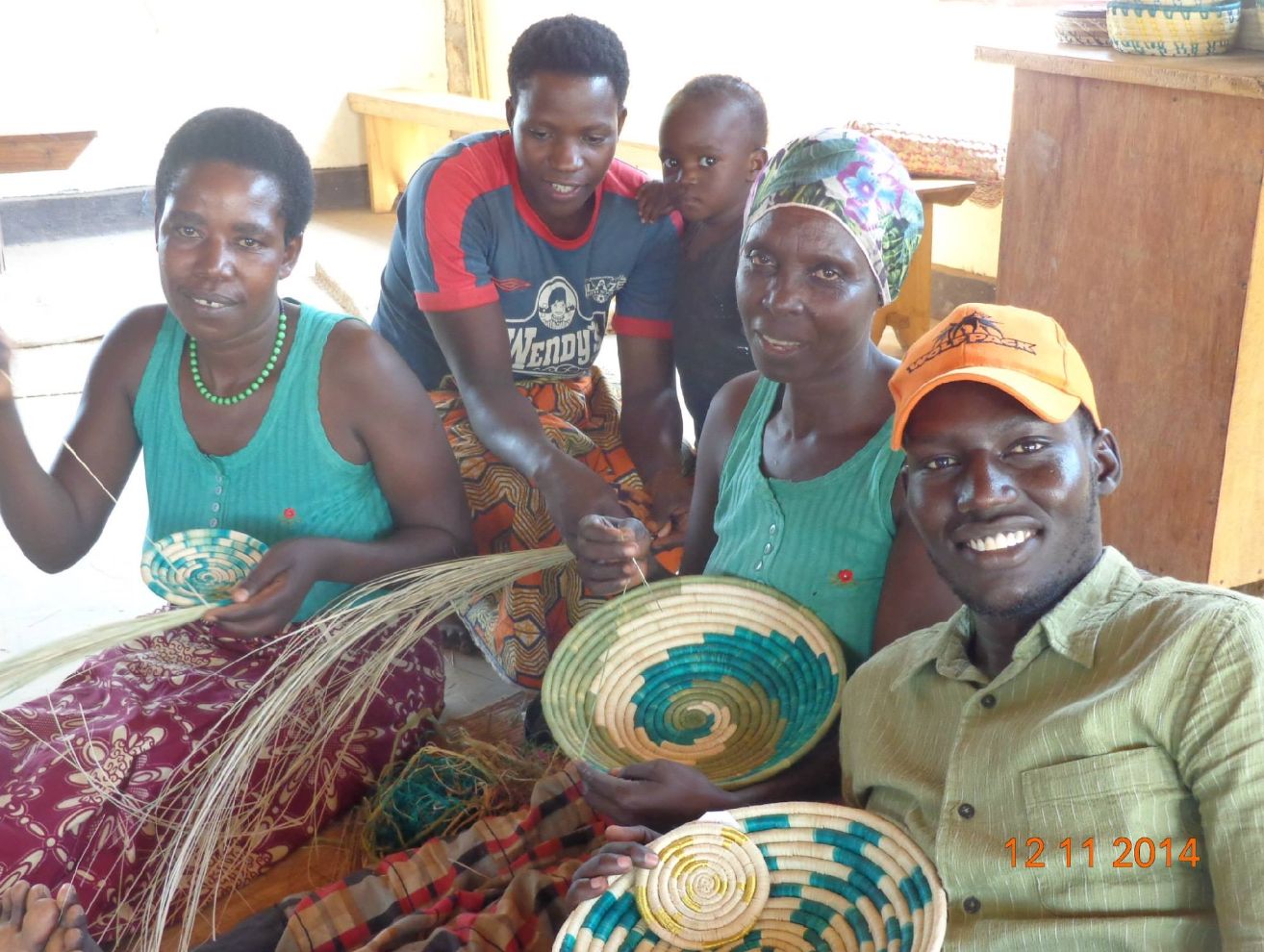
Gashora Weavers Cooperative, known as COVAGA (short for Cooperative de Vannerie de Gashora), is a collective of 61 members, comprising women and children, dedicated to weaving traditional baskets using natural fibres.
Two decades ago, Rwanda faced a significant environmental challenge: the water hyacinth, an invasive weed that choked lakes and rivers, blocking sunlight and disrupting aquatic ecosystems. Seeking a sustainable solution, COVAGA members began clearing the water hyacinth — and weaving its stems into hats, fruit baskets, and wall decorations. What sets COVAGA apart is this transformation of an environmental problem into social and economic opportunity.
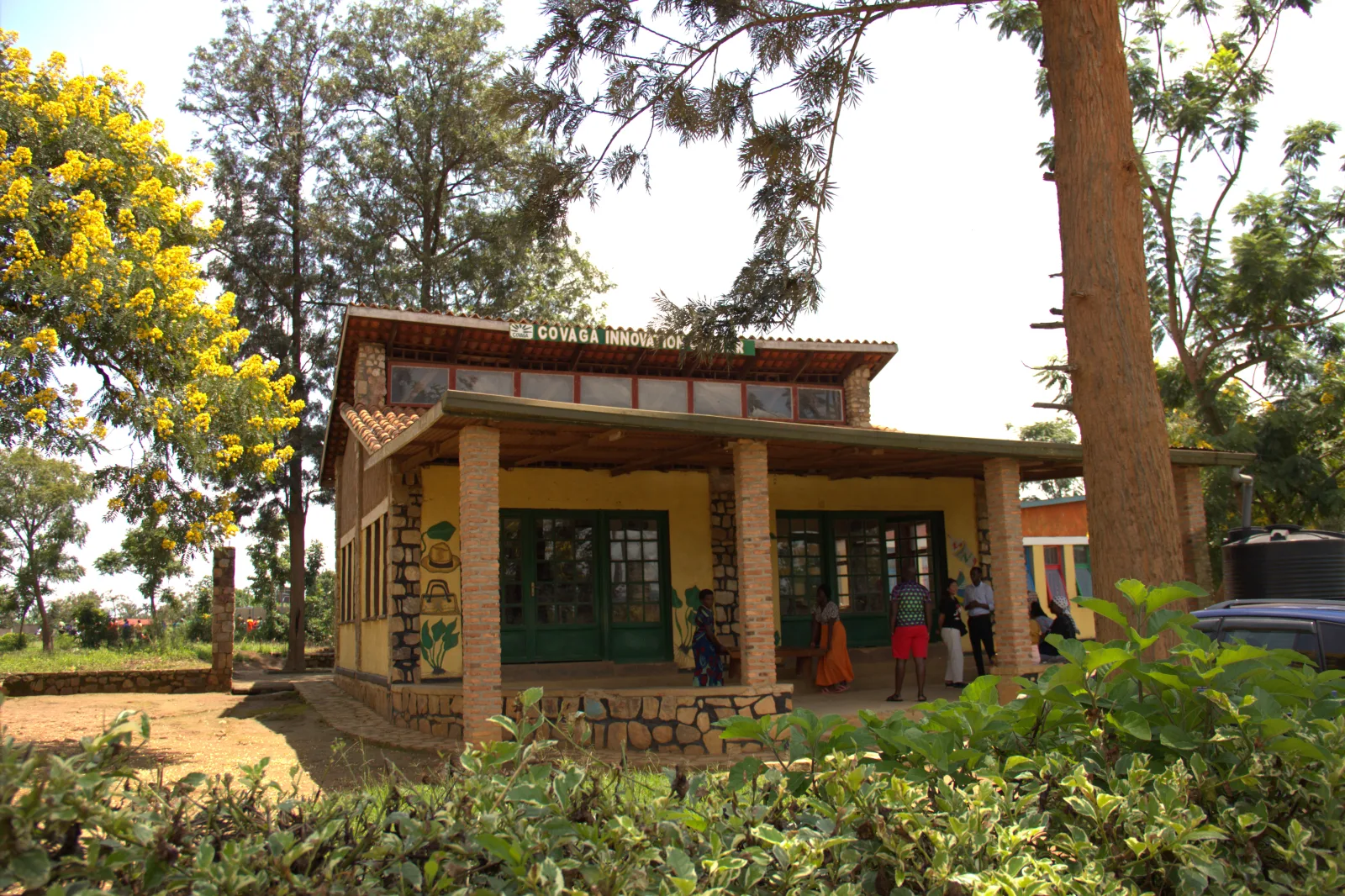
Covaga Innovation Centre
Starting in 2009, BBR collaborated with partners to facilitate the construction of the Covaga Innovation Centre — a purpose-built hub where COVAGA weavers carry out their craft, market their products, and collaborate with the wider community. Built by international volunteers working side-by-side with Rwandans, the Centre significantly improved COVAGA's productivity and economic stability.
Today BBR is revitalizing the Centre by completing its two remaining buildings: a weaving studio, and a kitchen where nutritionists will teach participants to prepare nutritious quinoa-based meals, with a courtyard for meals, social gatherings, and events.
Quinoa Demonstration Garden & QuinoaHub
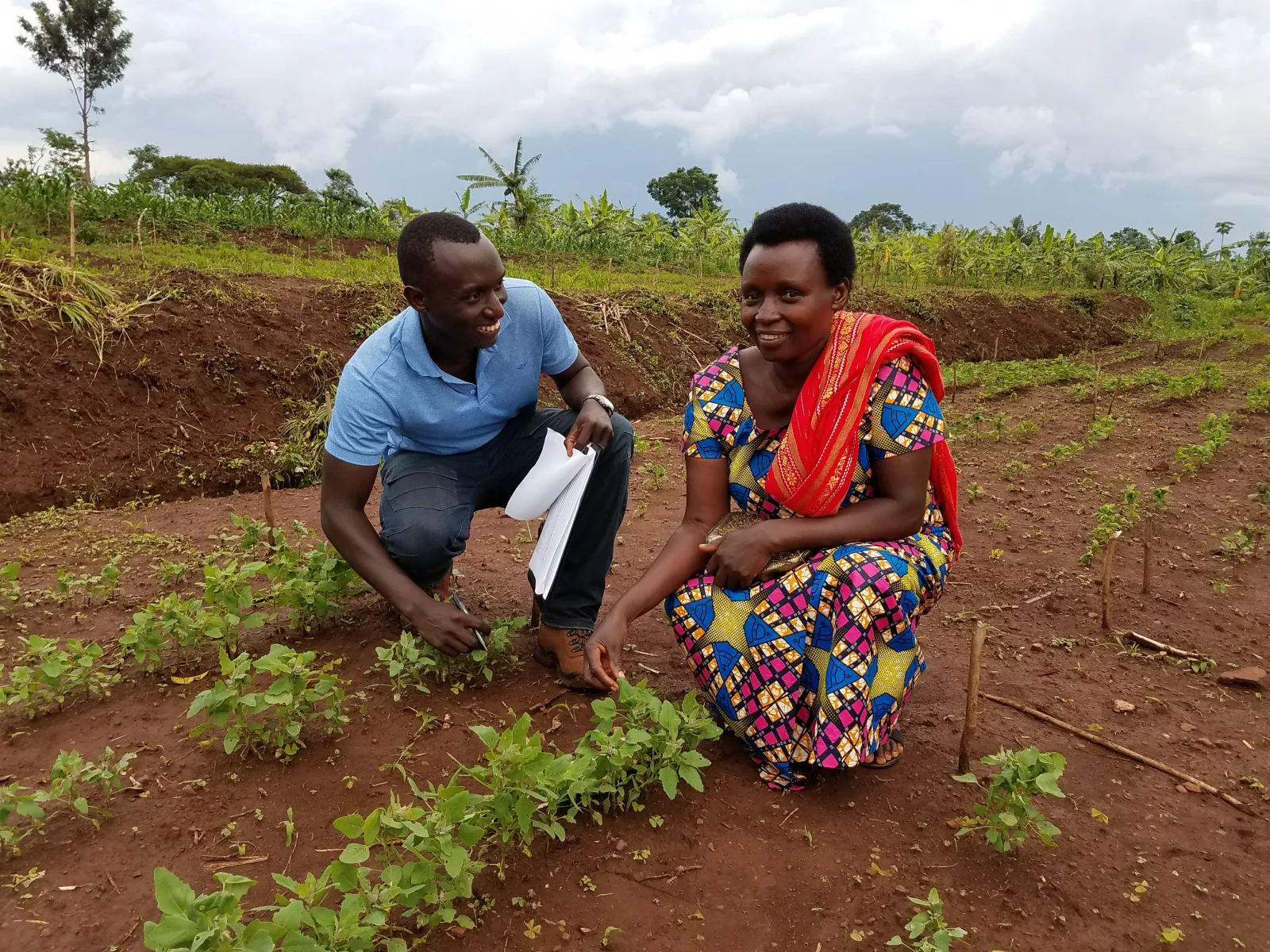
Malnutrition and hunger remain pressing challenges in Gashora, Bugesera. In collaboration with QuinoaHub Ltd., COVAGA, local community organizations, and the Gashora Sector, BBR is establishing a Quinoa Demonstration Garden. Quinoa is a highly nutritious, drought-resistant crop with the potential to significantly improve nutrition diversity, food security, and health in the region.
The project demonstrates the viability of quinoa cultivation, trains local farmers, and promotes a diversified, resilient food system — with a quinoa farmers' association, seed saving and exchange, and a community cooperative for production and marketing ensuring long-term sustainability. It aligns with the UN Sustainable Development Goals and serves as a model for other regions facing similar challenges.
Gira Ubumuntu
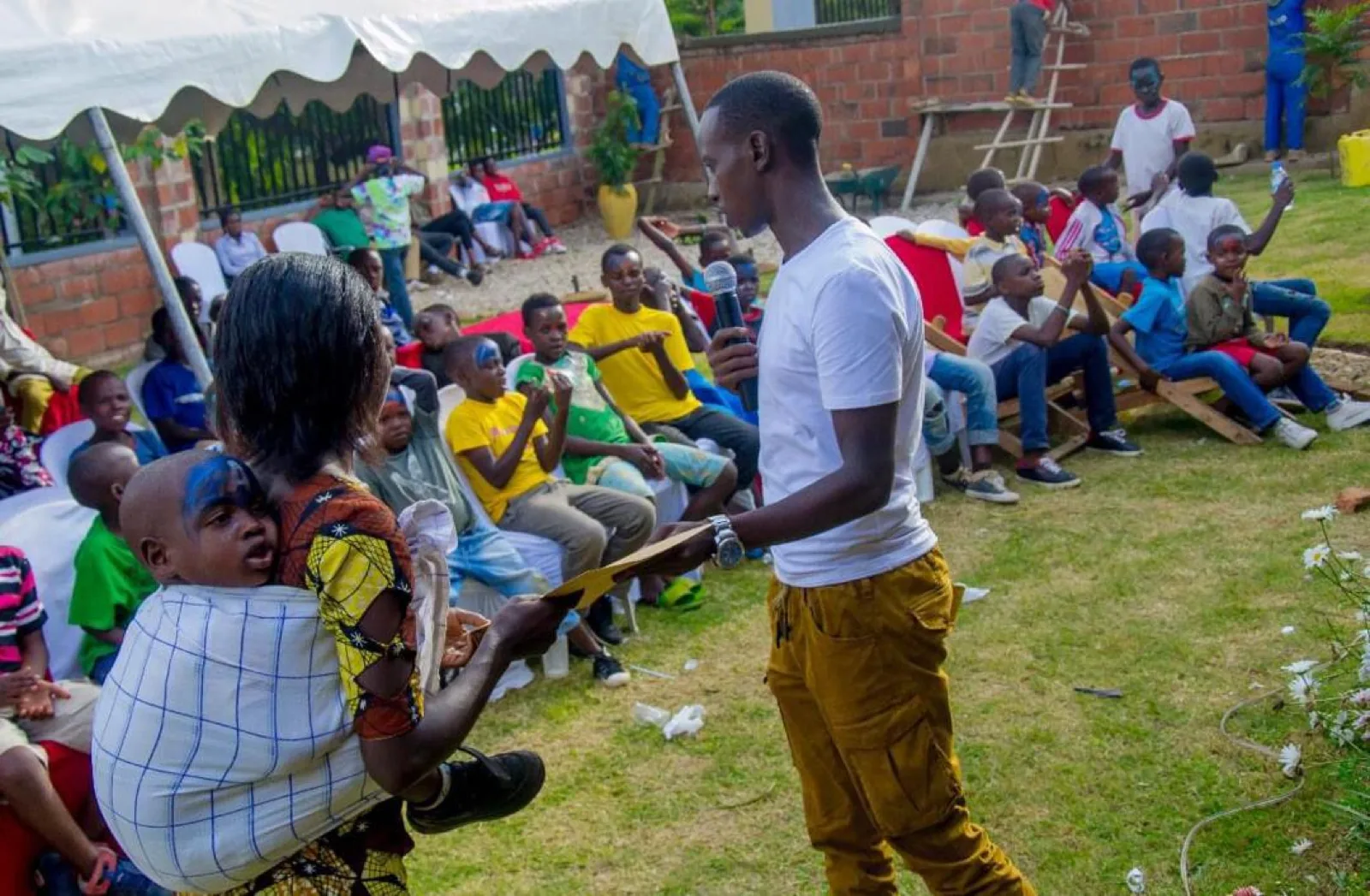
As a nation emerging from the aftermath of genocide, individuals continue to grapple with lasting consequences, including mental health challenges and widespread poverty. The founder of Gira Ubumuntu, himself a survivor of the genocide, committed himself to understanding the root causes of the high number of street children by establishing connections with them and their families. BBR supports this work of healing and reintegration.
Walk this ground yourself
Every project on this page is a stop on our Reflection Tours.